Tag Archives: Development

Pinecone and Milvus

How to Leverage Pinecone and Milvus for Success in AI

Contemporary artificial intelligence systems are no longer assessed on the sole ground of producing output but on the extent and efficiency by which they are capable of extracting and processing massive datasets. It is at this juncture that vector databases become mission-critical and essential for any AI initiative that aims for success at scale and

Continue reading »
Pinecone

How Pinecone is Disrupting AI Technology with Vector Search

The realm of artificial intelligence is progressing swiftly from the era of rules-based automation to the development of machines that possess the capability to comprehend meaning and intention on a large scale. Vector search enables machines to retrieve meaningful, contextually similar information based on queries, moving beyond traditional keyword-based database searches to enhance accuracy and

Continue reading »
Flask and Django

Flask versus Django: Pirates Use Flask, The Navy Uses Django

Comparisons tend to miss out on the underlying cultural reality in this choice of technologies, which Flask and Django illustrate aptly. One appeals more to the builders with a need for freedom and speed and who improvise their way to concrete solutions, while the other lures those teams more inclined toward structure, governance, and predictability.

Continue reading »
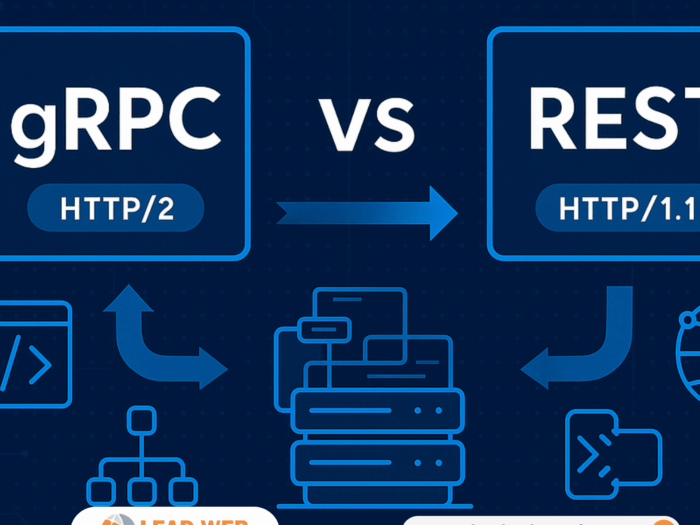
gRPC and REST

grpc vs. Rest: Differences Between APIs Architectural Styles

In the current software ecosystem, APIs have become essential for communication between distributed systems, mobile applications, web applications, and enterprise-level applications. With the increasing digital expansion of organizations across the world, the design choice for the API architectural style ceases to be merely technical. Among the most popular designs currently under consideration are gRPC and

Continue reading »
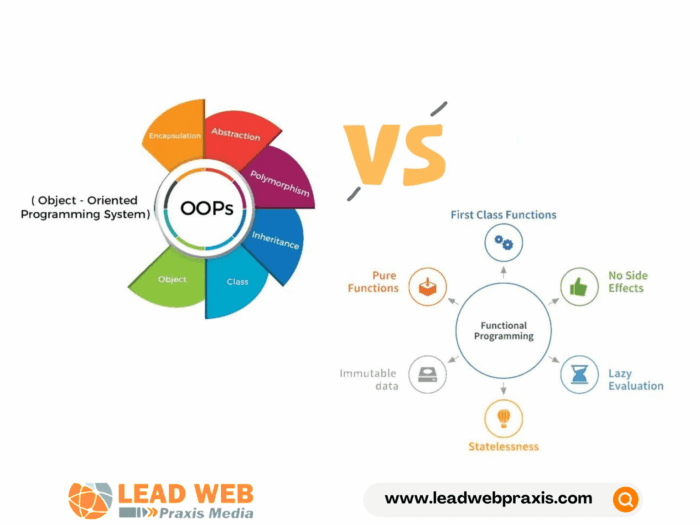
Functional Programming and OOP

Functional Programming and OOP: A Comparison of Paradigms within Contemporary Software Engineering

Engineering teams have traditionally been grappling with a dilemma on which paradigm, Functional Programming or OOP, is more sustainable and scalable. As more and more instances emerge with accelerated digital transformation and AI-powered systems revolutionizing demands and scope, it becomes highly imperative that paradigm impact on solution design and delivery. In this article, we will

Continue reading »
Docker Swarm and Kubernetes

Docker Swarm vs Kubernetes: We Have a Favorite

Container orchestration services have emerged as a business-critical service for today’s enterprises aspiring to deploy, govern, and scale their business applications with unerring accuracy. As today’s businesses hasten towards digital transformation at an increasingly accelerated rate, Docker Swarm and Kubernetes remain two giants at the helm of today’s container orchestration debate. Although Docker Swarm and

Continue reading »
YAML and JSON

YAML vs JSON: How are They Different?

Data serialization formats are one of the important means that help systems communicate efficiently and effectively. The key formats widely used are YAML and JSON, each with its own set of advantages, limitations, and ideal use cases. With growing automation, microservices, DevOps pipelines, and AI-driven workflows within organizations, understanding the difference between these programming languages

Continue reading »
Jython and Python

Jython vs Python: Main Differences and When to Use Them

Understanding the differences between Jython and Python will be important to technical teams that evaluate language runtimes based on performance, interoperability, and deployment flexibility. While both implement the Python language, their execution environments are very different, which influences how developers will integrate them with enterprise systems. As organizations accelerate digital transformation, the choice between Jython

Continue reading »
Rust and Go

Rust vs. Go: Differences and Similarities

Modern software development has evolved at a rapid speed and brought into global focus two standout languages: Rust and Go. While performance, reliability, and scalability in contemporary applications motivated the design of both languages, the goals are approached quite differently. Understanding the strengths and weaknesses of the general purpose programming language and Go becomes critical

Continue reading »
Julia and Python

Julia vs Python: Differences and Features

The rapid growth of modern computing has brought different programming languages into the spotlight; among these, we find Julia and Python as two of the most influential. While Python is not new to scientific computing, data analysis, and machine learning, Julia has come into prominence as a high-performance alternative designed for numerical computation and speed.

Continue reading »