software

PyTorch or TensorFlow

PyTorch vs TensorFlow: Deep Learning Comparison

One of the biggest decisions developers, data scientists, and AI engineers face is choosing between Torch and TensorFlow when building modern machine-learning systems. With rapid development in artificial intelligence, selecting the right deep-learning framework can determine speed, accuracy, and scalability for your solution. With generative AI raising new possibilities, prompting questions like “How will AI

Continue reading »
R or Python

R vs Python: The Data Science Language Debate

The debate on the choice between R or Python is an ongoing evolution in the data science landscape, as organizations seek the most effective tools in realizing value from data. While both languages have matured into industry standards, their strengths, communities, and ideal uses vary in ways that inform business decisions. As AI rapidly improves,

Continue reading »
Figma and Sketch

Figma vs Sketch: Is There a Right Choice?

The debate between Figma and Sketch has become one of the most common conversations in modern UI/UX design, especially when digital products must be visually compelling, intuitive, and highly collaborative. As design workflows evolve with remote teams and AI-supported creativity, many designers wonder whether collaborative interface design tool and Sketch can equally meet today’s demands

Continue reading »
User Experience Audit

User Experience (UX) Audit: How to Improve Your Product’s Performance

A user experience (UX) audit has become one of the most efficient ways to boost product performance. Of course, every business wants a product that loads faster, converts better, and impresses users with ease, but to achieve that, it takes more than just good-looking design. It takes an understanding of how real users actually interact

Continue reading »
Recoil vs Redux

Recoil vs Redux: Choosing the Right State Management Tool for Modern Applications

When developers consider Recoil or Redux, discussion often revolves around performance, scalability, and developer experience. Both are powerful libraries for state management in React applications, but each solves the problem with a different conceptual approach. In modern frontend ecosystems, and with AI-powered interfaces becoming increasingly dynamic, understanding the differences between Recoil vs Redux is crucial.

Continue reading »
Rust vs C++

Rust vs C++: Which One Should You Choose for Your Project?

Systems programming and performance-critical applications continue to capture attention in the debate between Rust and C++. The languages are each powerful, versatile, and can generate very efficient code. On the other hand, they differ in syntax, safety guarantees, memory management, and developer experience. Choosing between Rust vs C++ depends on your project’s goals, performance needs,

Continue reading »
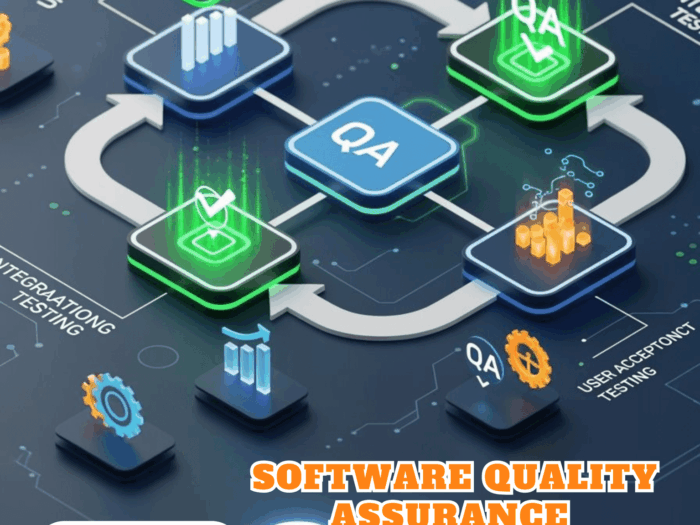
Software Quality Assurance

What is Software Quality Assurance (SQA)? Full Guide

Software quality assurance has become a vital process for organizations aiming to deliver reliable, efficient, and secure software products. Be it developing a mobile app, a web platform, or an enterprise-level system; the right performance of your software is crucial for ensuring business success. This full guide will look into the concept of software quality,

Continue reading »
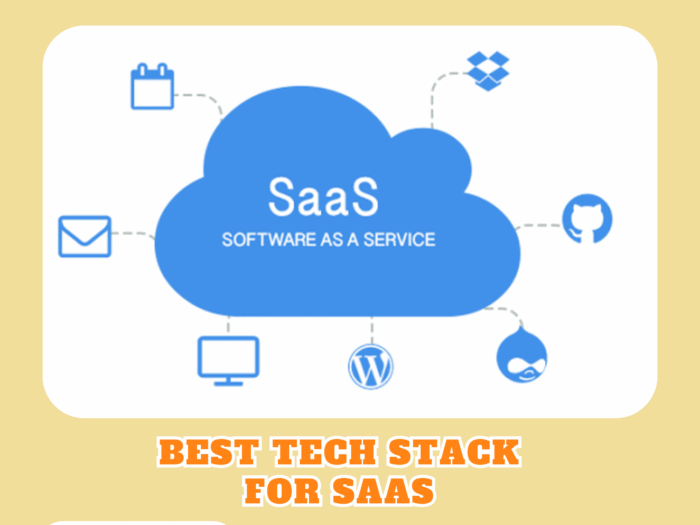
Best Tech Stack for SaaS

How to Choose the Best Tech Stack for Your Software as A Service (SaaS)

To build a SaaS product, one needs much more than a life-changing idea; what is required is a proper foundation. The best tech stack for SaaS predetermines how well your product runs, scales, and adapts to the demands of its users. Be it an enterprise or a startup, selection of the right combination of technologies

Continue reading »
DevOps for Cloud Solutions

Why DevOps Matters for Cloud Solutions Architects

Organizations increasingly rely on DevOps for cloud solutions as the means to accelerate innovation, ensure scalability, and gain competitive advantage. While cloud computing has transformed the manner in which businesses deploy and manage applications, DevOps unlocks the true full potential of the cloud. DevOps connects software development and IT operations into a single workflow that

Continue reading »
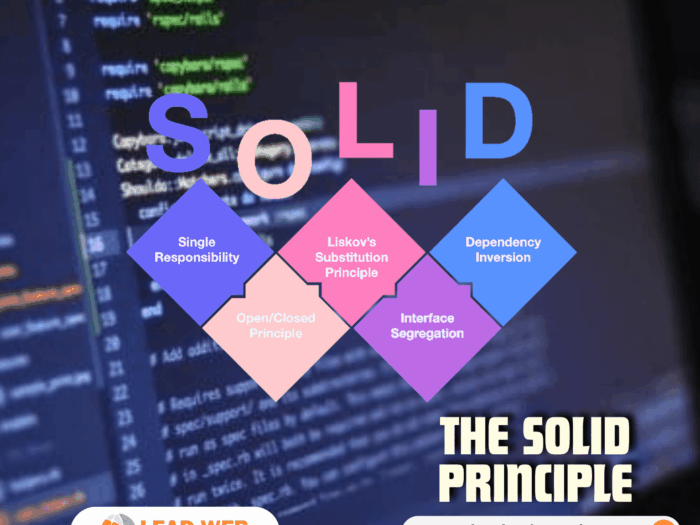
The SOLID Principle

The SOLID Principle: Building Better Software Foundations

The SOLID principle is a guiding star toward clean, scalable, and maintainable code. Be it web app development, enterprise-level system development, or AI-driven platforms, the SOLID principle makes your software architecture versatile in the face of evolving technologies. As more and more businesses rely on digital solutions, applying such principles stands to make a difference

Continue reading »