frameworks

Ruby-on-Rails

Ruby on Rails: Top Option for Marketplaces

Launching a successful online marketplace requires a balance between speed, scalability, and long term reliability which is what Ruby-on-Rails has been doing best at that. From startups which are disrupting legacy industries to large companies which are extending into multi vendor platforms marketplaces require quick development, secure structures, and flexibility for growth. That is what

Continue reading »
Flask vs Django

Flask vs Django: Pirates Use Flask, the Navy Uses Django

In Python web development, Flask represents freedom and improvisation for independent developers, while Django offers structure and discipline favored by organized teams prioritizing order, consistency, and reliability in their projects. This metaphor of pirates versus the navy captures more than humor; it reflects real philosophical and architectural differences of flask vs Django that matter when

Continue reading »
Redis

What makes Redis the go-to in-memory data store?

Application performance has become the norm, not a luxury. Users want real-time responses, seamless experiences, and access to data uninterruptedly across all platforms. To satisfy them, today’s system architectures are increasingly dependent upon high-performance, access layers that can deal at scale. This is where Redis has earned its reputation as the Go-To Memory Data Store,

Continue reading »
Milvus

What makes Milvus a top choice for AI databases?

As the applications of artificial intelligence mature, it is becoming evident that the underlying infrastructure of the data will play a crucial role in deciding performance, scalability, and long-term feasibility. Relational databases, designed many years ago, are incapable of dealing with high-dimensional vectors of today’s machine learning models. This realization has tilted the balance toward

Continue reading »
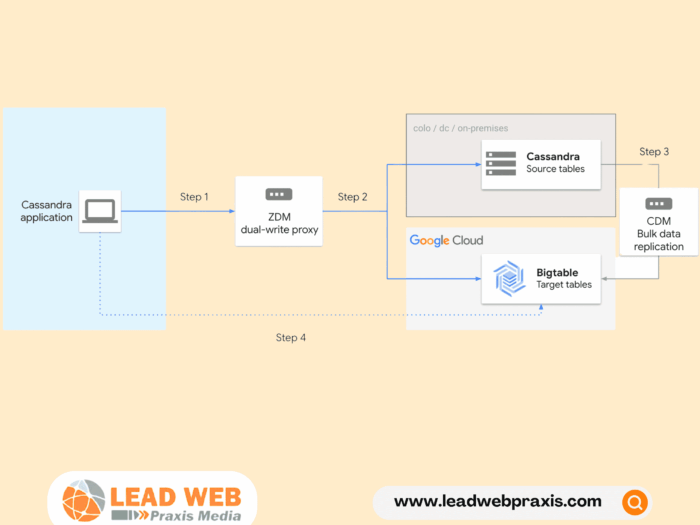
BigTable and Cassandra

What Makes BigTable and Cassandra Unique in NoSQL Databases?

Organizations are generating and processing enormous volumes of both structured and unstructured data at unprecedented velocities. Traditional relational databases often lack the ability to scale efficiently under such demands, hence the reason NoSQL databases have become central to modern data architectures. Among numerous NoSQL options, BigTable and Cassandra have consistently stood out because of their

Continue reading »
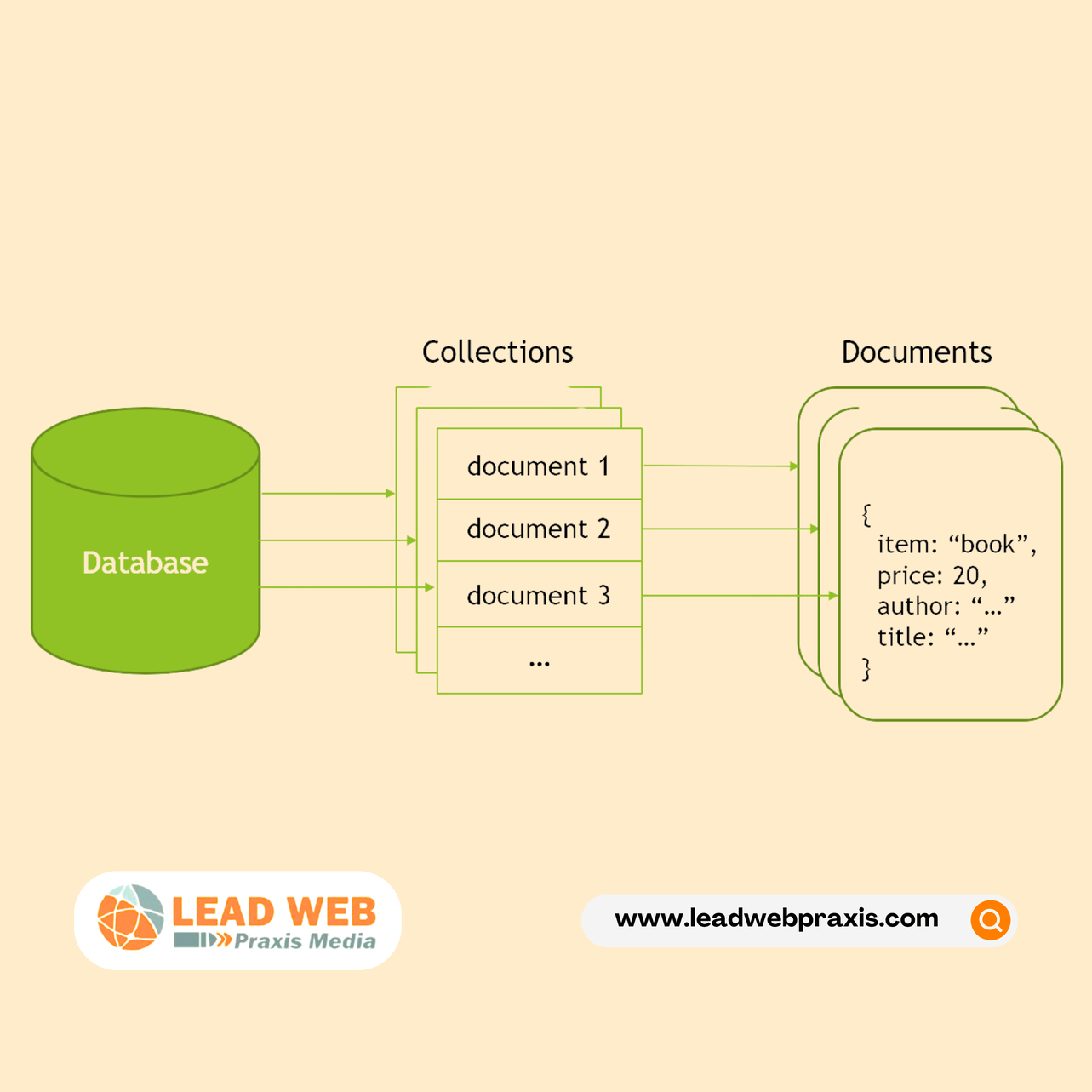
Document-Based NoSQL Databases

How to Use MongoDB for Document-Based NoSQL Databases

Today, digital apps require increased functionality that is not readily supported by the capabilities of relational databases. This is where document-oriented NoSQL databases fit in. They make use of the flexible schema design that matches well with agile development methodologies and is aligned well with rapidly changing requirements. Using MongoDB for Document-Based NoSQL Databases has

Continue reading »
Optimizing Google BigTable

How to Optimize Google Bigtable for High Performance

Google BigTable is an highly scalable, low-latency NoSQL database for processing large workloads distributed across a system. In order to enable optimal results, it requires more than just setting up instances and loading data into Google BigTable. Optimizing Google BigTable for high performance requires an analytics-driven setup that aligns its technical components with business workloads.

Continue reading »
Pinecone and Milvus

How to Leverage Pinecone and Milvus for Success in AI

Contemporary artificial intelligence systems are no longer assessed on the sole ground of producing output but on the extent and efficiency by which they are capable of extracting and processing massive datasets. It is at this juncture that vector databases become mission-critical and essential for any AI initiative that aims for success at scale and

Continue reading »
Pinecone

How Pinecone is Disrupting AI Technology with Vector Search

The realm of artificial intelligence is progressing swiftly from the era of rules-based automation to the development of machines that possess the capability to comprehend meaning and intention on a large scale. Vector search enables machines to retrieve meaningful, contextually similar information based on queries, moving beyond traditional keyword-based database searches to enhance accuracy and

Continue reading »
DynamoDB for NOSQL

How to Begin with DynamoDB for NOSQL Requirements

Today’s applications require scaled-out databases that are also highly available and can handle large amounts of structured and semi-structured data. Here is where Amazon DynamoDB excels, offering NoSQL technology that scales for high performance. Mastery of DynamoDB for NoSQL Needs is critical for companies developing cloud-first apps that must always be available even under uncertain

Continue reading »