data science

Python and JavaScript

Python vs. JavaScript: Why Not Both?

Organizations today are faced with an increasing dilemma on which programming languages to employ and use as the drivers within their systems. Although these debates usually center on either Python or JavaScript as alternative technologies, it would be more appropriate and enlightening as a strategy to discuss and explore how these languages can coexist seamlessly

Continue reading »
Nomad or Kubernetes

Nomad vs Kubernetes: Comparing Orchestration Tools

Orchestration platforms are a key dependency for any company to deploy applications efficiently. As workloads become increasingly complex, the choice between Nomad and Kubernetes is a strategic decision that impacts scalability, cost, and operational performance. Each of these tools provides powerful automation, but their philosophies differ, making the choice more than a matter of preference.

Continue reading »
Cassandra

Is Cassandra the Right NoSQL for Your Needs?

As data volume, complexity, and performance demands grow, choosing the right NoSQL database quickly becomes a strategic decision. Among the various options today, Cassandra is one of the most powerful distributed databases built for performance at scale. But is this NoSQL database really the best for your organization? This article explores Cassandra’s strengths, limitations, and

Continue reading »
Google BigTable

How to Leverage Google BigTable for Scalable Data Storage

What organizations require are storage solutions able to scale up easily without performance loss or loss in reliability. As datasets grow from gigabytes to terabytes and more, traditional databases fall behind. This is where Google BigTable will become crucial for those businesses that wish to store, process, and access data securely at a high performance

Continue reading »
Snowflake or Redshift

Snowflake vs. Redshift: Which One Is Right for You?

Choosing between Snowflake or Redshift has become a critical decision for organizations seeking efficient cloud data warehousing solutions. Each has massive scalability, high-performance analytics, and seamless integration with cloud ecosystems. However, Choosing between cloud data warehouse and Redshift requires examination of their data storage, compute capabilities, security, and pricing. The decision impacts how effectively you

Continue reading »
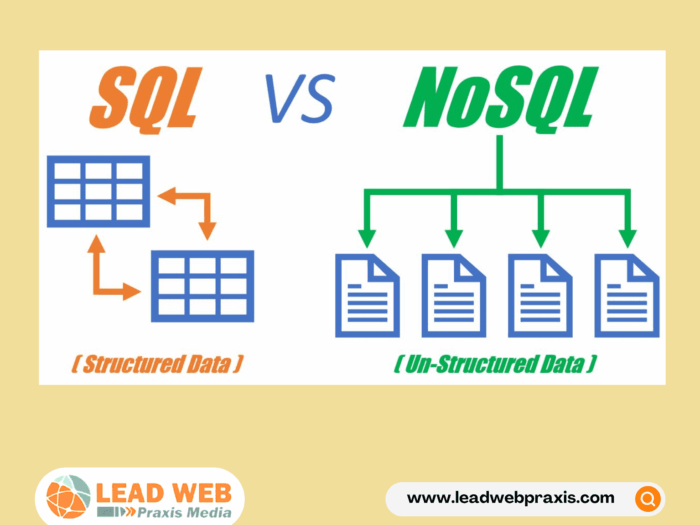
SQL and NoSQL

SQL vs NoSQL: When to Use Each?

The difference between SQL and NoSQL has become very important in the modern digital solution development of businesses. As data increases in size, speed, and complexity, selecting the appropriate architecture of a database will determine whether the application performs efficiently or succumbs to real-world demands. With AI, automation, and big-data systems expanding, how do companies

Continue reading »
improving crypto user experience

Why UX Is the Next Big Thing in Cryptocurrencies

The pace at which the cryptocurrency industry is evolving, and one major transformative shift occurring today, is the increasing focus being placed on improving crypto user experience via platforms, wallets, exchanges, DeFi applications, and blockchain-powered products. As digital assets capture the imagination of an increasingly wider and diversified global audience, ease of use has just

Continue reading »
PyTorch or TensorFlow

PyTorch vs TensorFlow: Deep Learning Comparison

One of the biggest decisions developers, data scientists, and AI engineers face is choosing between Torch and TensorFlow when building modern machine-learning systems. With rapid development in artificial intelligence, selecting the right deep-learning framework can determine speed, accuracy, and scalability for your solution. With generative AI raising new possibilities, prompting questions like “How will AI

Continue reading »
R or Python

R vs Python: The Data Science Language Debate

The debate on the choice between R or Python is an ongoing evolution in the data science landscape, as organizations seek the most effective tools in realizing value from data. While both languages have matured into industry standards, their strengths, communities, and ideal uses vary in ways that inform business decisions. As AI rapidly improves,

Continue reading »