data science

Principles of Distributed Database Design

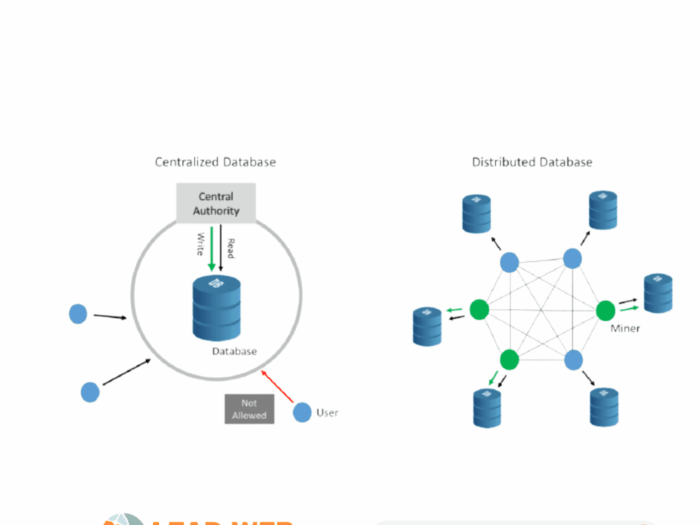
What Are The Principles of Distributed Database Design?

Organizations generate and process data at unprecedented scales. Traditional centralized databases often struggle to keep pace with growing demands for performance, availability, and geographic distribution. This challenge has led organizations to embrace the Principles of Distributed Database Design architectures that spread data across multiple nodes, locations, or cloud environments. Understanding how to design these systems

Continue reading »
Designing Redis Distributed Caching Systems

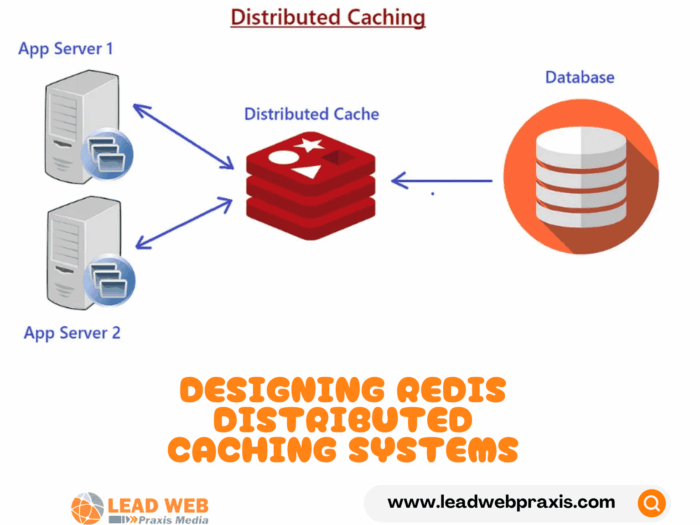
Designing a Redis Distributed Caching System

Application performance can make or break user experience. When milliseconds matter, traditional database queries often become bottlenecks that slow down even the most well-architected applications. This is where distributed caching systems shine, and Redis has emerged as one of the most popular solutions for solving performance challenges at scale. Understanding the principles behind designing Redis

Continue reading »
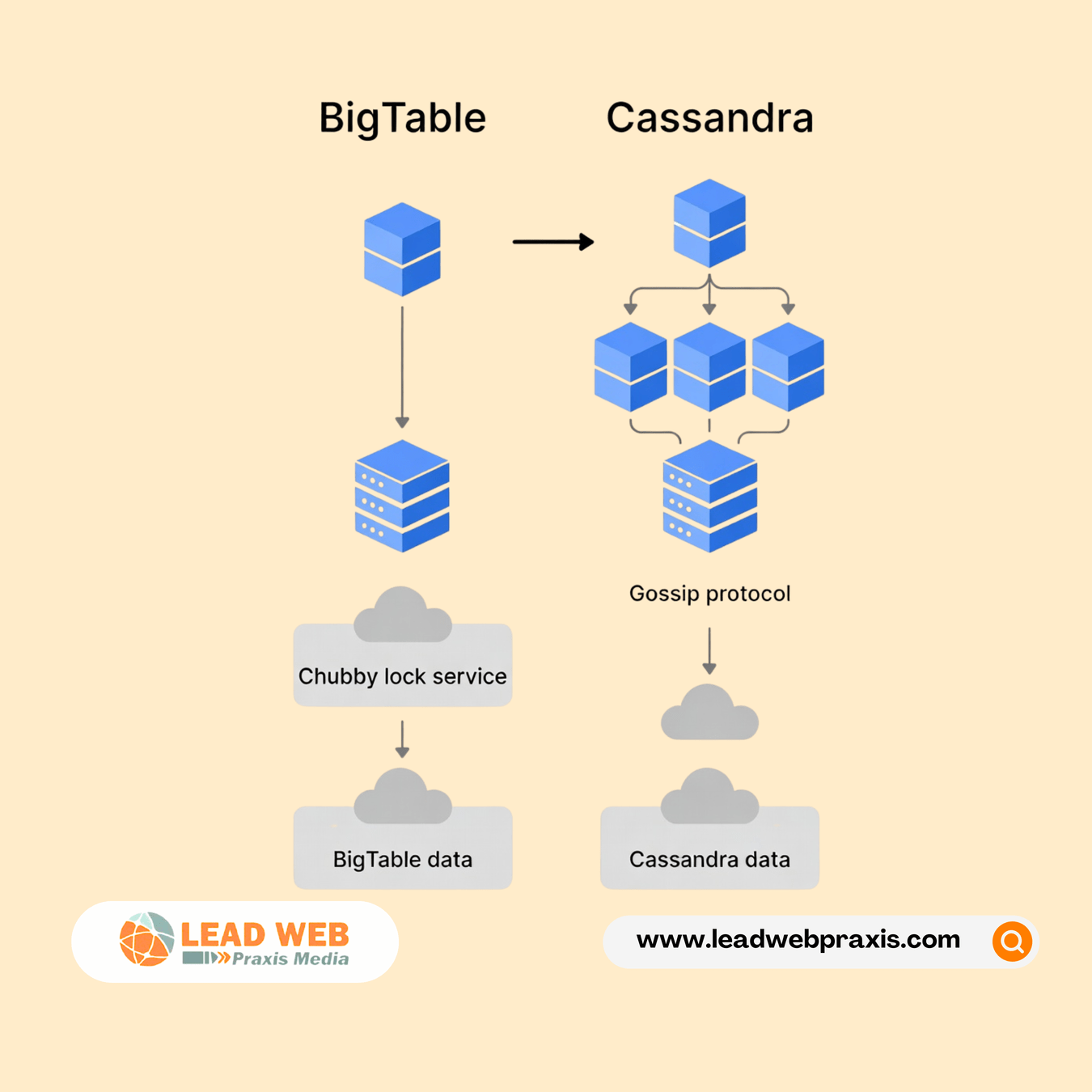
BigTable or Cassandra

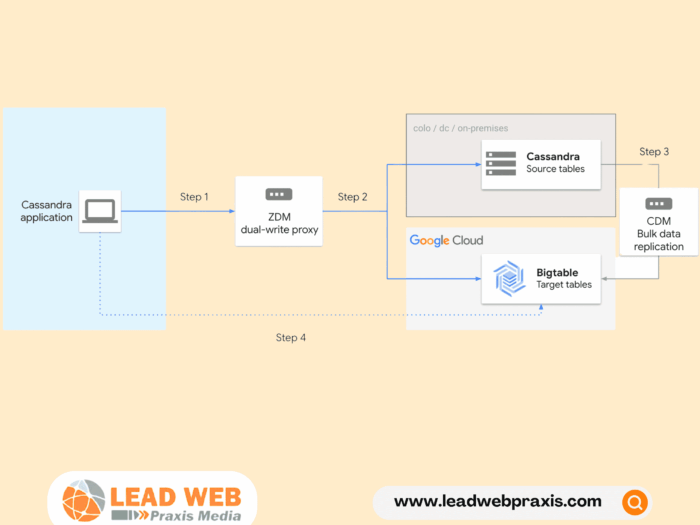
BigTable vs Cassandra: Which NoSQL Database Wins?

Choosing the right NoSQL database is a strategic decision that directly affects scalability, performance, cost, and long-term system flexibility. In today’s data-driven environment, organizations handling massive volumes of structured and semi-structured data often narrow their options to two proven technologies. The debate around BigTable or Cassandra is especially relevant for enterprises building large-scale, high-throughput applications that

Continue reading »
JSON or XML

JSON vs XML: Which One Is Faster and More Efficient?

Choosing the right data interchange format can significantly influence application performance, scalability, and maintainability. Developers, system architects, and business owners often find themselves weighing the benefits of JSON or XML when designing APIs, integrating systems, or exchanging structured data across platforms. While both formats are widely adopted and reliable, their differences in speed, efficiency, and usability

Continue reading »
AI Database Management future

Is Milvus the Future of AI Database Management?

Artificial intelligence systems rely heavily on their underlying data, necessitating efficient data management approaches. Traditional data storage methods are insufficient for AI Database Management future requirements, demanding swift and scalable solutions. As a result, vector databases have gained prominence, with platforms like Milvus emerging as key players in data organization. These databases are essential for

Continue reading »
Redis

What makes Redis the go-to in-memory data store?

Application performance has become the norm, not a luxury. Users want real-time responses, seamless experiences, and access to data uninterruptedly across all platforms. To satisfy them, today’s system architectures are increasingly dependent upon high-performance, access layers that can deal at scale. This is where Redis has earned its reputation as the Go-To Memory Data Store,

Continue reading »
Milvus

What makes Milvus a top choice for AI databases?

As the applications of artificial intelligence mature, it is becoming evident that the underlying infrastructure of the data will play a crucial role in deciding performance, scalability, and long-term feasibility. Relational databases, designed many years ago, are incapable of dealing with high-dimensional vectors of today’s machine learning models. This realization has tilted the balance toward

Continue reading »
BigTable and Cassandra

What Makes BigTable and Cassandra Unique in NoSQL Databases?

Organizations are generating and processing enormous volumes of both structured and unstructured data at unprecedented velocities. Traditional relational databases often lack the ability to scale efficiently under such demands, hence the reason NoSQL databases have become central to modern data architectures. Among numerous NoSQL options, BigTable and Cassandra have consistently stood out because of their

Continue reading »
Document-Based NoSQL Databases

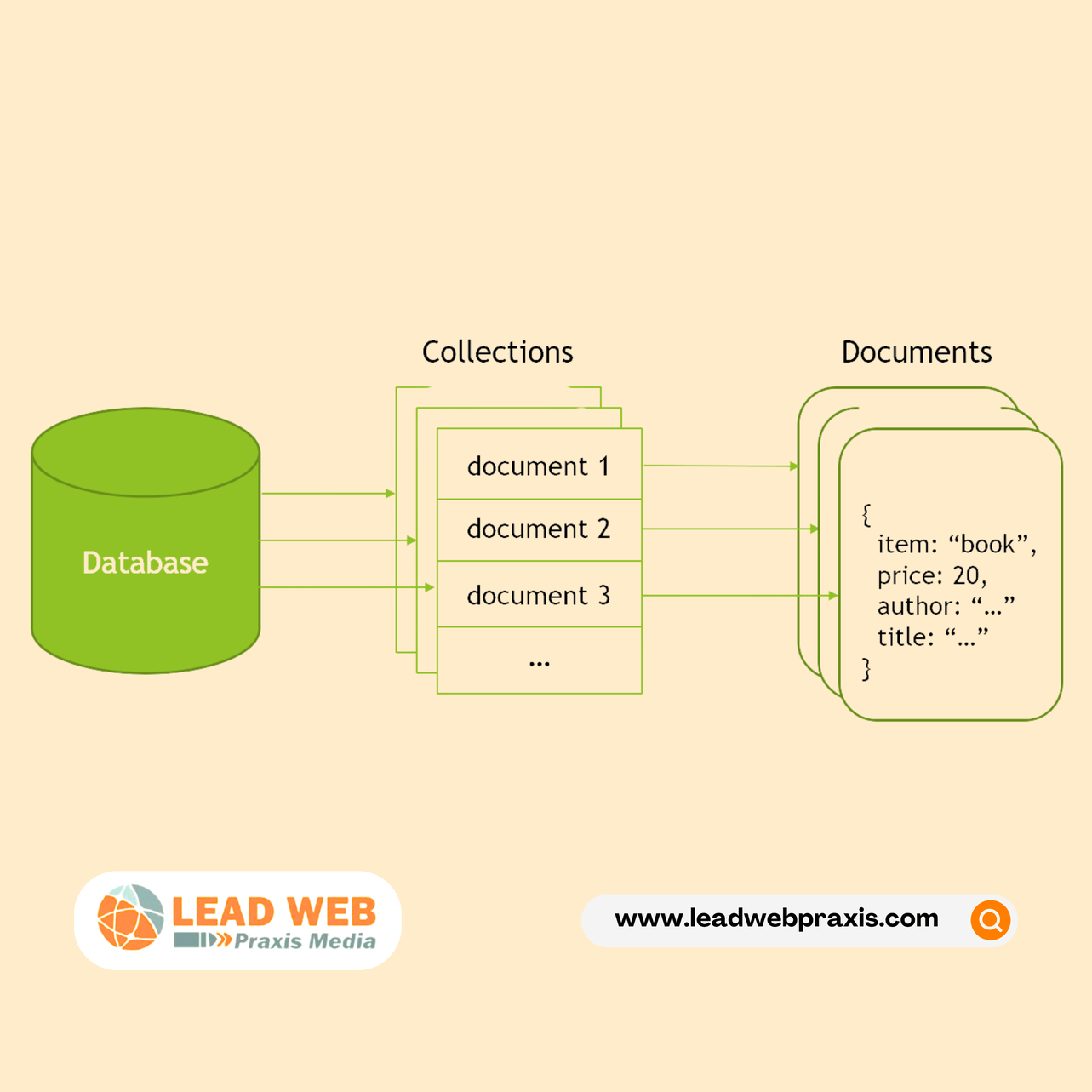
How to Use MongoDB for Document-Based NoSQL Databases

Today, digital apps require increased functionality that is not readily supported by the capabilities of relational databases. This is where document-oriented NoSQL databases fit in. They make use of the flexible schema design that matches well with agile development methodologies and is aligned well with rapidly changing requirements. Using MongoDB for Document-Based NoSQL Databases has

Continue reading »
Optimizing Google BigTable

How to Optimize Google Bigtable for High Performance

Google BigTable is an highly scalable, low-latency NoSQL database for processing large workloads distributed across a system. In order to enable optimal results, it requires more than just setting up instances and loading data into Google BigTable. Optimizing Google BigTable for high performance requires an analytics-driven setup that aligns its technical components with business workloads.

Continue reading »