Today, it has become more of a business choice than a technical one to select an appropriate database architecture. With an increasing amount of unstructured and semi-structured data, organizations now turn towards NoSQL solutions for scalability, flexibility, and high-performing solutions. Even while selecting the Best conventional NoSQL Databases, it has become an exercise to assess organizational application requirements, data model elements, and organizational growth strategies. Today, this article helps in structuring an approach for processing traditional NoSQL database assessment to select an optimal solution.
Traditional NoSQL Databases
Before discussing what the Best Conventional NoSQL Database is, it is a preemptive requirement to define what “conventional” NoSQL databases are. Conventional NoSQL databases are reliable, well-accepted solutions implemented in production environments with maturity and stability. There are four classifications that conventional NoSQL databases belong to: key-value stores, document databases, column-family databases, and graph databases, and each performs best for a corresponding specific task and environment that aligns with said databases’ purposes and functionalities.
Key-Value Stores Databases: Keeping It Simple
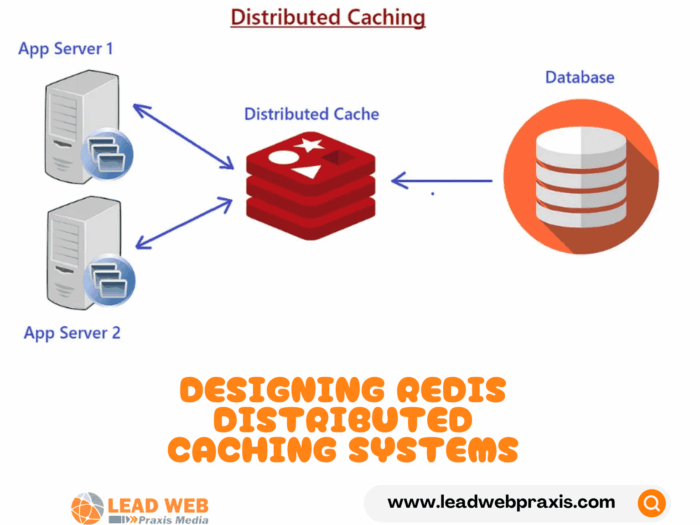
Key-value databases are preferred for high performance and simplicity, excelling in large-scale caching, session management, and real-time access in NoSQL systems.
The database stores the information in the form of simple key-value pairs. This facilitates fast read and write operations. The database cannot support any complicated querying process, but the speed with which it performs tasks is greatly beneficial.
Document Databases: Handling Modern Applications with Flexibility
Document databases store flexible JSON documents, enabling schema changes without downtime for applications. This facilitates agile development and frequent updates. Document databases enable robust querying and aggregation, ideal for content management and fast-paced API development.
Column-Family Databases
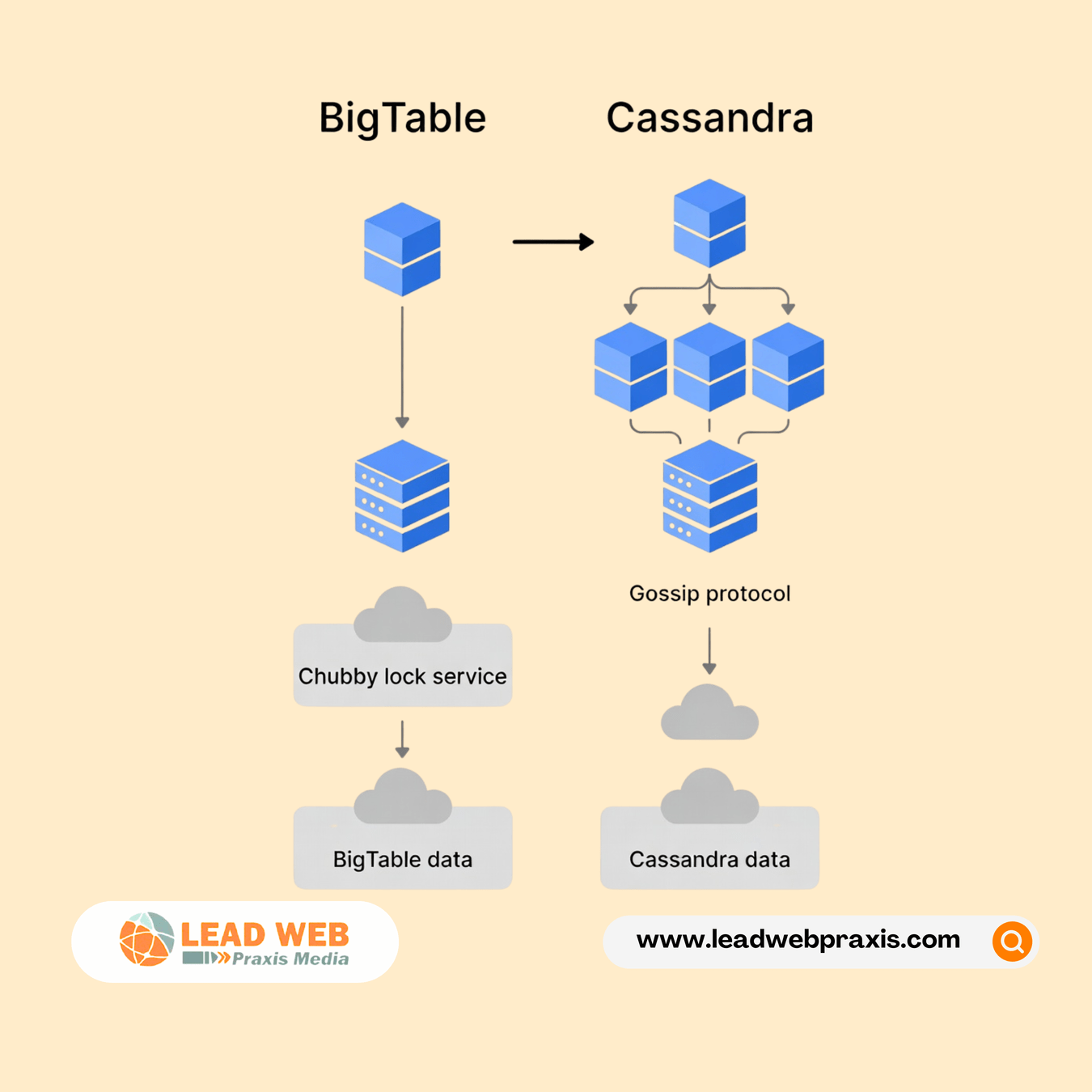
Column family databases will then become one of the Best Conventional NoSQL Databases for those companies dealing with large datasets, as they store data in columns instead of storing it row by row, allowing efficient reading and writing of large amounts of structured data. They have use cases in analytics, time-series data, or logging events, and their core benefit is based on their ability to support high availability and fault tolerance.
Graph Databases: Relationship-Based Insights
When correlations among the data points have the same level of importance as the data points themselves, the Best Conventional NoSQL Database solution would be graph databases. Graph databases represent data and correlations among the data points. It is very common in systems that involve recommendation engines, fraud analysis, and social networks. The traversal of correlations in graph databases is very efficient compared to the traversal of correlations that takes place in other database systems.
Scalability and Performance Assessment
Scalability is also an important point to consider in the choice of the Best Conventional NoSQL Database. One of the major distinguishing factors of NoSQL databases is their horizontal scaling capability, which is achieved through the addition of nodes to scale up to bigger size. A consideration of the needed performances regarding expected loads would also be important while making a choice of the database.
Security, Reliability, and Ecosystem Engagement
Security and reliability issues have been important considerations in the selection of the Best Conventional NoSQL Database. Requirements for functionality like data encryption, role-based security, backup tools, and disaster recovery capabilities should ideally conform to certain regulations. On the other hand, a good ecosystem like community engagement, good documentation, and integration with current tools can decrease operational risks.
Cost and Operational Complexity
Although NoSQL databases are commonly linked with notions of scalability and efficiency, it is also important to keep in mind cost concerns. A Best Conventional NoSQL Database should provide a balance between licensing, infrastructure, and operational costs. While managed services can simplify operations and increase costs incurred periodically, the selves-services option allows control over the database at the cost of administrative hassle.
Role of AI in Database Choice
The increasing infusion of artificial intelligence into business systems generates a question on whether there is a possibility of using artificial intelligence-driven analytics in ascertaining the Best Conventional NoSQL Database suitable for your workloads. Current AI advancements enable analysis of usage patterns and prediction of scalability needs effectively.
Conclusion
Selecting the Finest Traditional NoSQL Database: Rather than choosing the most trending database technology, you should focus on matching database technology capabilities with your business requirements. Organizations should know the database types and then think about scalability, security, cost involved, and the use of AI. To make informed decisions for your organization’s future needs, you should contact Lead Web Praxis for professional advice.