Modern software development relies heavily on APIs to allow applications, services, and systems to communicate seamlessly. However, ensuring that these APIs work correctly, securely, and efficiently requires continuous testing throughout the development lifecycle. Manual testing alone can slow down development and increase the chances of human error, which is why many developers and organizations rely on tools that support automation. One widely used platform in this area is Postman. For developers, QA engineers, and software teams, automating testing with Postman has become a practical approach to validating APIs quickly and consistently. This capability enables teams to create reusable test scripts, run automated checks, and integrate testing into continuous integration pipelines. But what exactly does this tool offer when it comes to automation? Understanding how it works and its associated costs can help businesses decide whether it fits into their development workflow.
Postman and Its Testing Capabilities
Postman is widely known as an API development environment where developers can design, test, document, and monitor APIs from a single interface. While many people initially use it simply to send API requests and inspect responses, its built-in scripting and testing capabilities make it far more powerful.
One major feature that stands out is automating testing with Postman, which allows developers to write test scripts in JavaScript to validate API responses automatically. Instead of manually checking whether an API returns the correct status code, response time, or data format, automated tests can verify these elements instantly.
For example, a developer can write tests that confirm:
- The API returns a 200 status codewhen a request succeeds
- The response body contains expected data fields
- Authentication tokens work correctly
- Response time stays within acceptable limits
These tests can be saved inside a Postman collection, making them reusable whenever the API is executed.
How Automated Testing Works in Postman
When developers talk about automating testing with Postman, they are referring to the process of attaching automated validation scripts to API requests. These scripts run every time the request is executed, allowing developers to detect issues immediately.
Postman provides two important scripting areas:
- Pre-request scripts– code that runs before sending the API request.
- Test scripts– code that runs after receiving the API response.
Using JavaScript syntax, developers can define conditions that must be met for the test to pass. For instance, a test script might check whether the returned JSON contains a specific value or whether the API authentication token remains valid.
These tests can be grouped in collections, which allows multiple API endpoints to be tested sequentially. This structure is particularly useful when verifying complex workflows such as login, data retrieval, and database updates in a single automated test run.
Running Automated Tests with Postman Collections
Collections are one of the core components of Postman. They allow developers to organize API requests and execute them as a group. Within this workflow, automating testing with Postman becomes significantly more efficient because tests can be triggered across dozens or even hundreds of endpoints simultaneously.
Developers typically run collections using the Collection Runner, a built-in feature that executes requests sequentially and displays detailed results. Each test produces a pass or fail status, along with information about response time and data validation.
This process allows teams to quickly identify broken endpoints or incorrect responses. Instead of manually checking every API endpoint, the entire test suite can run automatically in minutes.
For organizations managing large software systems or microservices architectures, this capability ensures that updates or code changes do not accidentally break existing API functionality.
Integration with Continuous Integration and DevOps Pipelines
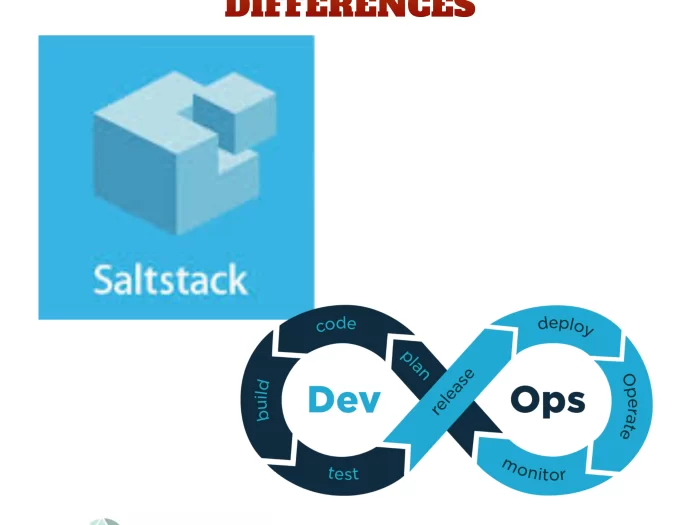
Modern software teams often rely on CI/CD pipelines to automate building, testing, and deploying applications. In this environment, automating testing with Postman becomes even more valuable because it can integrate directly into these pipelines.
Postman collections can be executed using a command-line tool called Newman, which allows automated tests to run during continuous integration workflows. This means every time developers push new code, the API tests can automatically execute and confirm that everything still works correctly.
For example, Postman tests can run within:
- GitHub Actions
- Jenkins pipelines
- GitLab CI/CD workflows
If a test fails, the pipeline can stop deployment immediately, preventing faulty code from reaching production systems. This approach significantly improves software reliability and reduces costly downtime.
AI and the Future of Automated API Testing
As artificial intelligence becomes more integrated into development tools, testing workflows are evolving rapidly. An interesting question many developers ask today is: Could AI eventually generate and optimize API test scripts automatically?
The concept of automating testing with Postman is already moving toward smarter automation through machine learning-driven insights and intelligent suggestions. Future testing tools may analyze API behavior, detect anomalies, and automatically generate test cases based on usage patterns.
Imagine a system where AI reviews your API responses, identifies edge cases, and automatically creates validation scripts without requiring manual coding. Such advancements could dramatically reduce the time developers spend writing test scripts while improving test coverage.
While full AI-driven testing automation is still evolving, the combination of API tools and intelligent automation is already shaping the next generation of software quality assurance.
Cost of Using Postman for Automated Testing
One reason Postman has become extremely popular is its flexible pricing model. Businesses can start using the platform at little or no cost and scale as their needs grow.
Typical pricing tiers include:
Free Plan – $0 per user/month
- Basic API request testing
- Limited collaboration features
- Suitable for individual developers or small projects
Basic Plan – around $14 per user/month
- Shared workspaces for teams
- Basic API monitoring and collaboration tools
- Improved testing capabilities for growing teams
Professional Plan – around $29 per user/month
- Advanced API testing and automation features
- Enhanced collaboration tools
- Role-based access control
Enterprise Plan – about $49 or more per user/month
- Advanced security and governance
- Dedicated support
- Enterprise-scale API testing and monitoring
For startups or small development teams, the free version is often sufficient for experimenting with automating testing with Postman, while larger organizations benefit from advanced automation and collaboration tools in paid tiers.
Benefits of Using Postman for Automated API Testing
API automation tools provide several advantages that improve software quality and development speed. Teams that adopt automating testing with Postman often experience improvements in both productivity and reliability.
Some key benefits include:
- Faster testing cycles– automated tests run in seconds instead of manual checks.
- Higher accuracy– scripts eliminate human errors during validation.
- Reusable test scripts– once written, tests can run repeatedly across environments.
- Better collaboration– teams can share collections and testing workflows.
- Improved API reliability– continuous testing ensures endpoints work consistently.
These benefits explain why Postman has become one of the most widely used API testing platforms among developers worldwide.
Conclusion
Automated API testing has become an essential part of modern software development, helping teams maintain reliable applications while delivering updates faster. Tools like Postman provide powerful capabilities that allow developers to write test scripts, run automated checks, and integrate testing into DevOps workflows.
By automating testing with Postman, organizations can detect API issues early, ensure consistent performance, and improve the overall quality of their digital products. Whether used by independent developers or large enterprise teams, automated testing significantly reduces manual workload while increasing development efficiency.
If your organization is planning to implement automated API testing, integrate advanced development tools, or build scalable software solutions, professional guidance can make the process far more effective. Businesses and startups looking for expert support should consider reaching out to Lead Web Praxis, where experienced professionals can help design, develop, and optimize powerful digital solutions tailored to your needs.