All posts by contentcreator

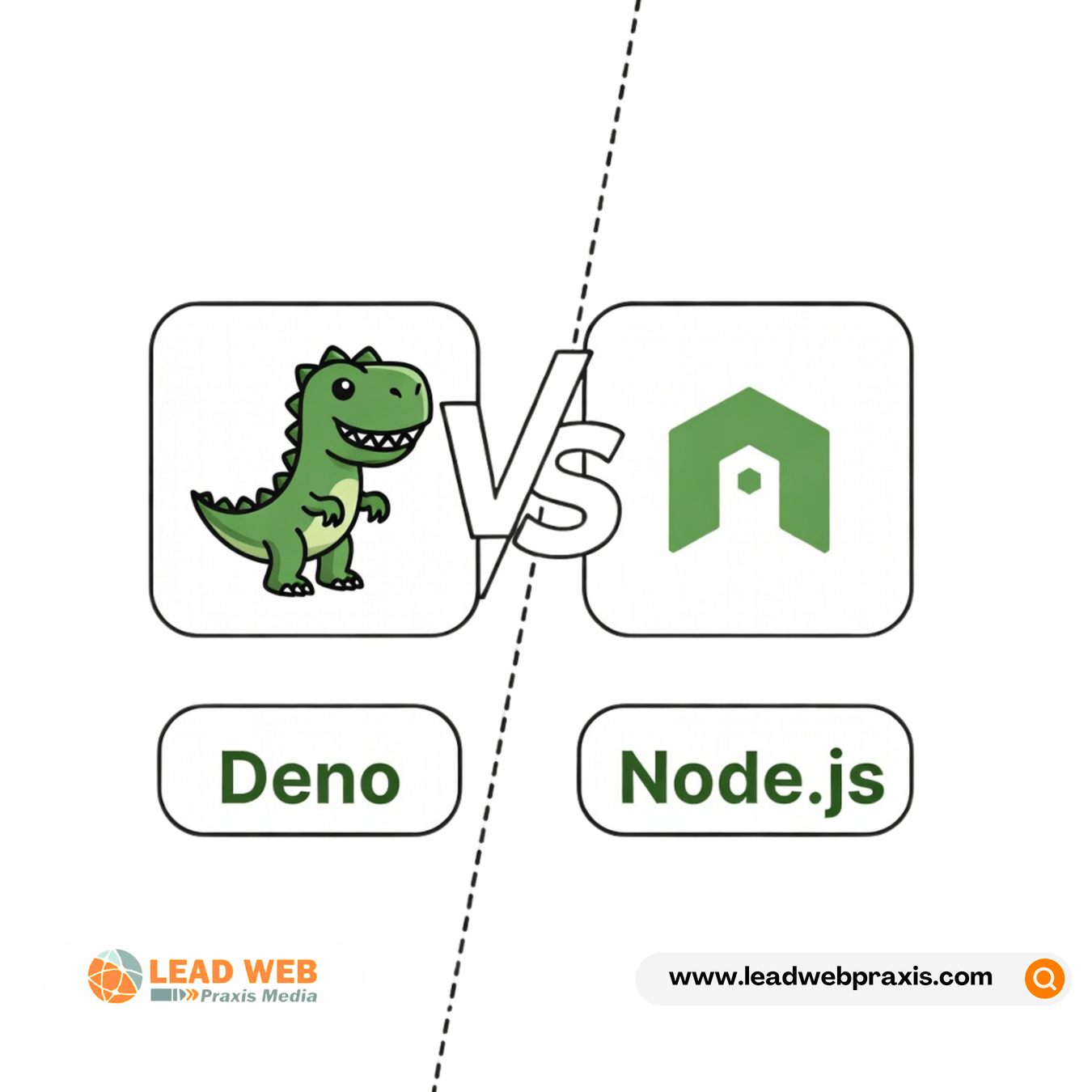
Deno and Node

Deno vs Node.js: A Comprehensive Comparison for Modern JavaScript Development

Deno and Node have emerged as two closely related yet distinctly different technologies shaping how developers build server-side applications. While Node.js has long dominated backend JavaScript development, Deno was introduced as a modern alternative designed to address some of Node’s long-standing limitations. Understanding how these JavaScript runtimes compare is essential for businesses and developers aiming

Continue reading »
TypeScript or JavaScript

TypeScript vs JavaScript: Which One Is Better?

In modern web development, few debates are as persistent as TypeScript vs JavaScript, especially for businesses and developers deciding on the right technology stack. While JavaScript has long been the backbone of the web, TypeScript has rapidly gained popularity for its structure, scalability, and enterprise readiness. The question of TypeScript or JavaScript is no longer

Continue reading »
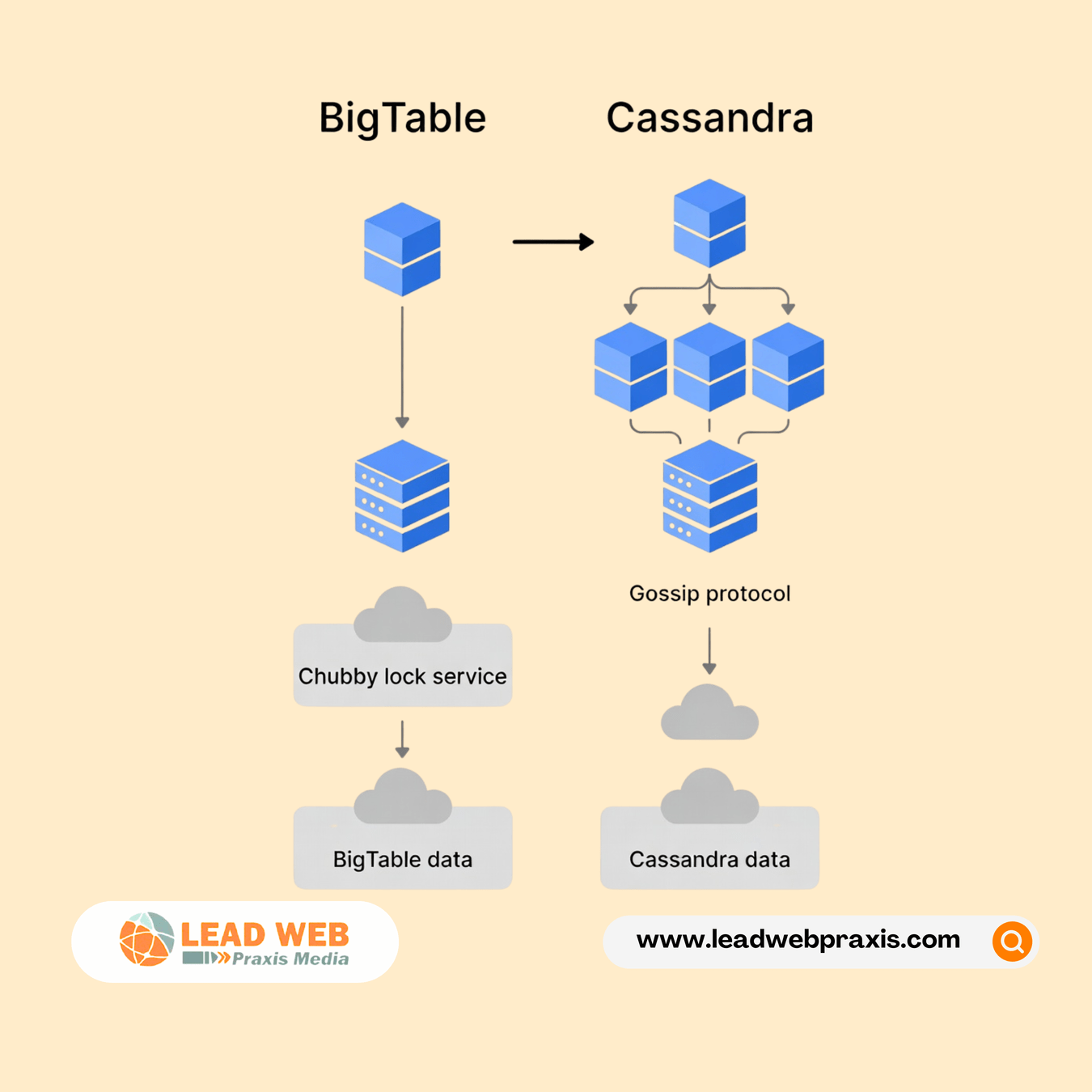
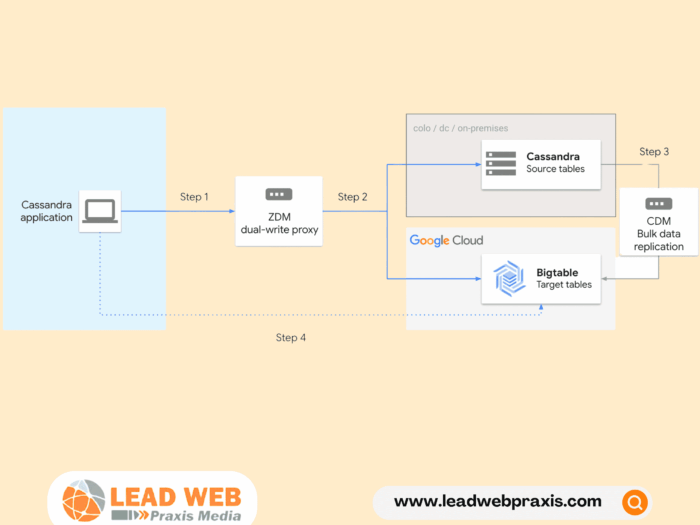
BigTable or Cassandra

BigTable vs Cassandra: Which NoSQL Database Wins?

Choosing the right NoSQL database is a strategic decision that directly affects scalability, performance, cost, and long-term system flexibility. In today’s data-driven environment, organizations handling massive volumes of structured and semi-structured data often narrow their options to two proven technologies. The debate around BigTable or Cassandra is especially relevant for enterprises building large-scale, high-throughput applications that

Continue reading »
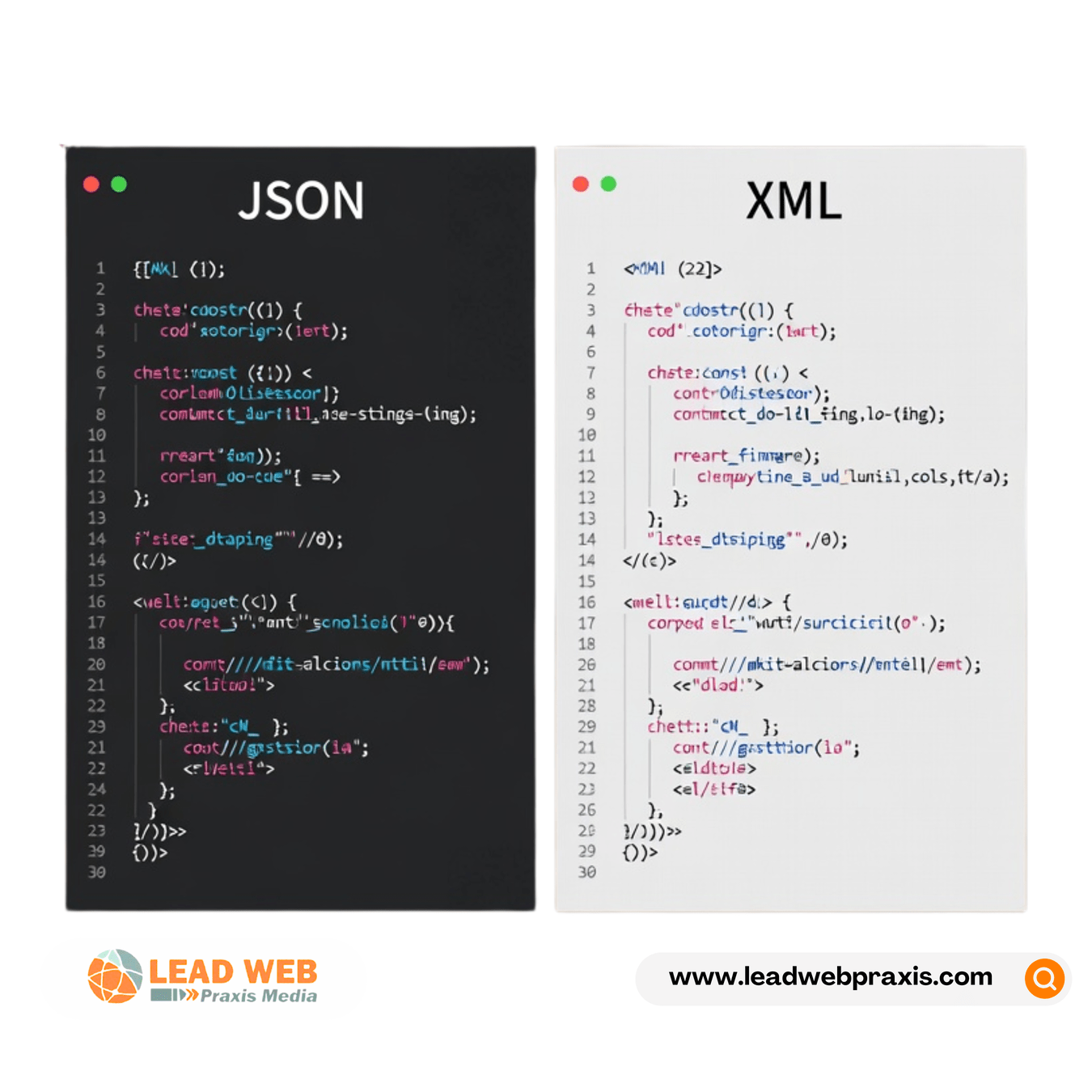
JSON or XML

JSON vs XML: Which One Is Faster and More Efficient?

Choosing the right data interchange format can significantly influence application performance, scalability, and maintainability. Developers, system architects, and business owners often find themselves weighing the benefits of JSON or XML when designing APIs, integrating systems, or exchanging structured data across platforms. While both formats are widely adopted and reliable, their differences in speed, efficiency, and usability

Continue reading »
Flask vs Django

Flask vs Django: Pirates Use Flask, the Navy Uses Django

In Python web development, Flask represents freedom and improvisation for independent developers, while Django offers structure and discipline favored by organized teams prioritizing order, consistency, and reliability in their projects. This metaphor of pirates versus the navy captures more than humor; it reflects real philosophical and architectural differences of flask vs Django that matter when

Continue reading »
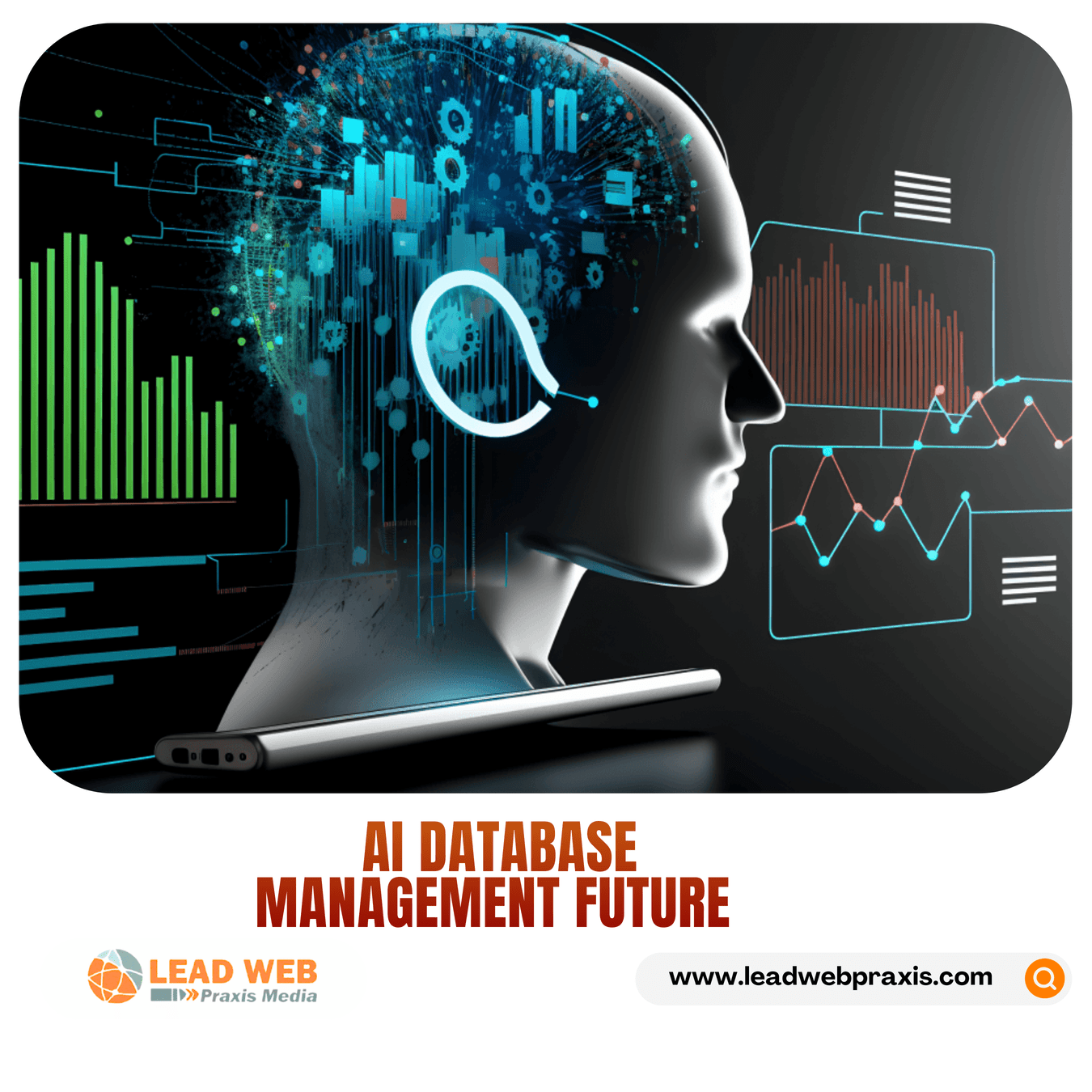
AI Database Management future

Is Milvus the Future of AI Database Management?

Artificial intelligence systems rely heavily on their underlying data, necessitating efficient data management approaches. Traditional data storage methods are insufficient for AI Database Management future requirements, demanding swift and scalable solutions. As a result, vector databases have gained prominence, with platforms like Milvus emerging as key players in data organization. These databases are essential for

Continue reading »
Redis

What makes Redis the go-to in-memory data store?

Application performance has become the norm, not a luxury. Users want real-time responses, seamless experiences, and access to data uninterruptedly across all platforms. To satisfy them, today’s system architectures are increasingly dependent upon high-performance, access layers that can deal at scale. This is where Redis has earned its reputation as the Go-To Memory Data Store,

Continue reading »
Milvus

What makes Milvus a top choice for AI databases?

As the applications of artificial intelligence mature, it is becoming evident that the underlying infrastructure of the data will play a crucial role in deciding performance, scalability, and long-term feasibility. Relational databases, designed many years ago, are incapable of dealing with high-dimensional vectors of today’s machine learning models. This realization has tilted the balance toward

Continue reading »
BigTable and Cassandra

What Makes BigTable and Cassandra Unique in NoSQL Databases?

Organizations are generating and processing enormous volumes of both structured and unstructured data at unprecedented velocities. Traditional relational databases often lack the ability to scale efficiently under such demands, hence the reason NoSQL databases have become central to modern data architectures. Among numerous NoSQL options, BigTable and Cassandra have consistently stood out because of their

Continue reading »
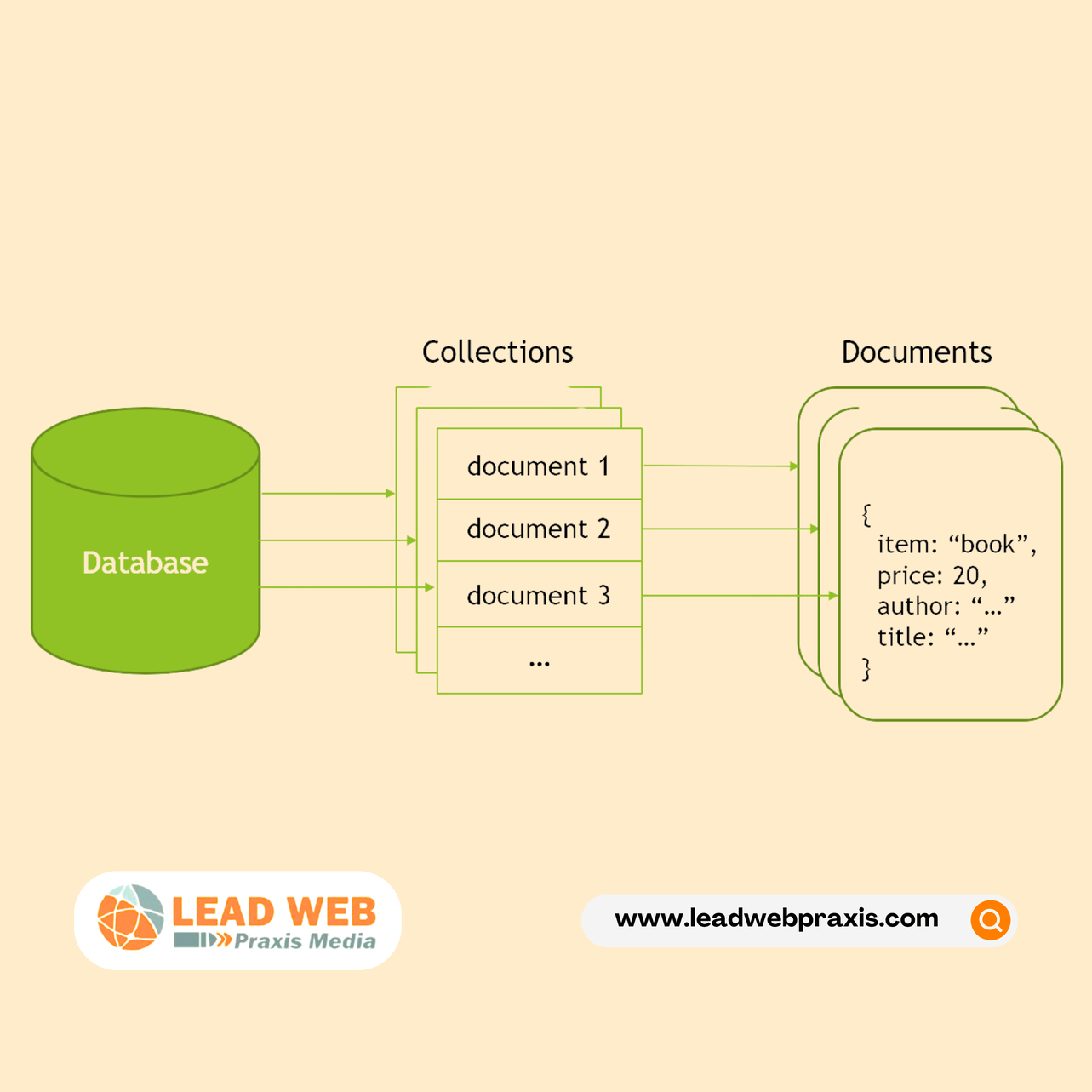
Document-Based NoSQL Databases

How to Use MongoDB for Document-Based NoSQL Databases

Today, digital apps require increased functionality that is not readily supported by the capabilities of relational databases. This is where document-oriented NoSQL databases fit in. They make use of the flexible schema design that matches well with agile development methodologies and is aligned well with rapidly changing requirements. Using MongoDB for Document-Based NoSQL Databases has

Continue reading »