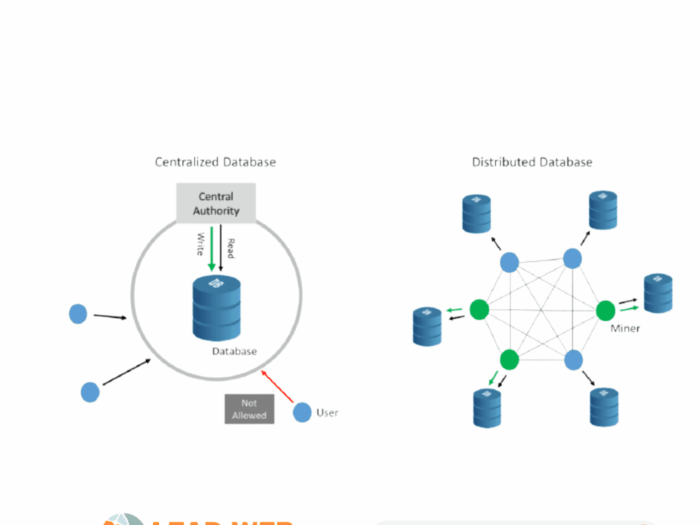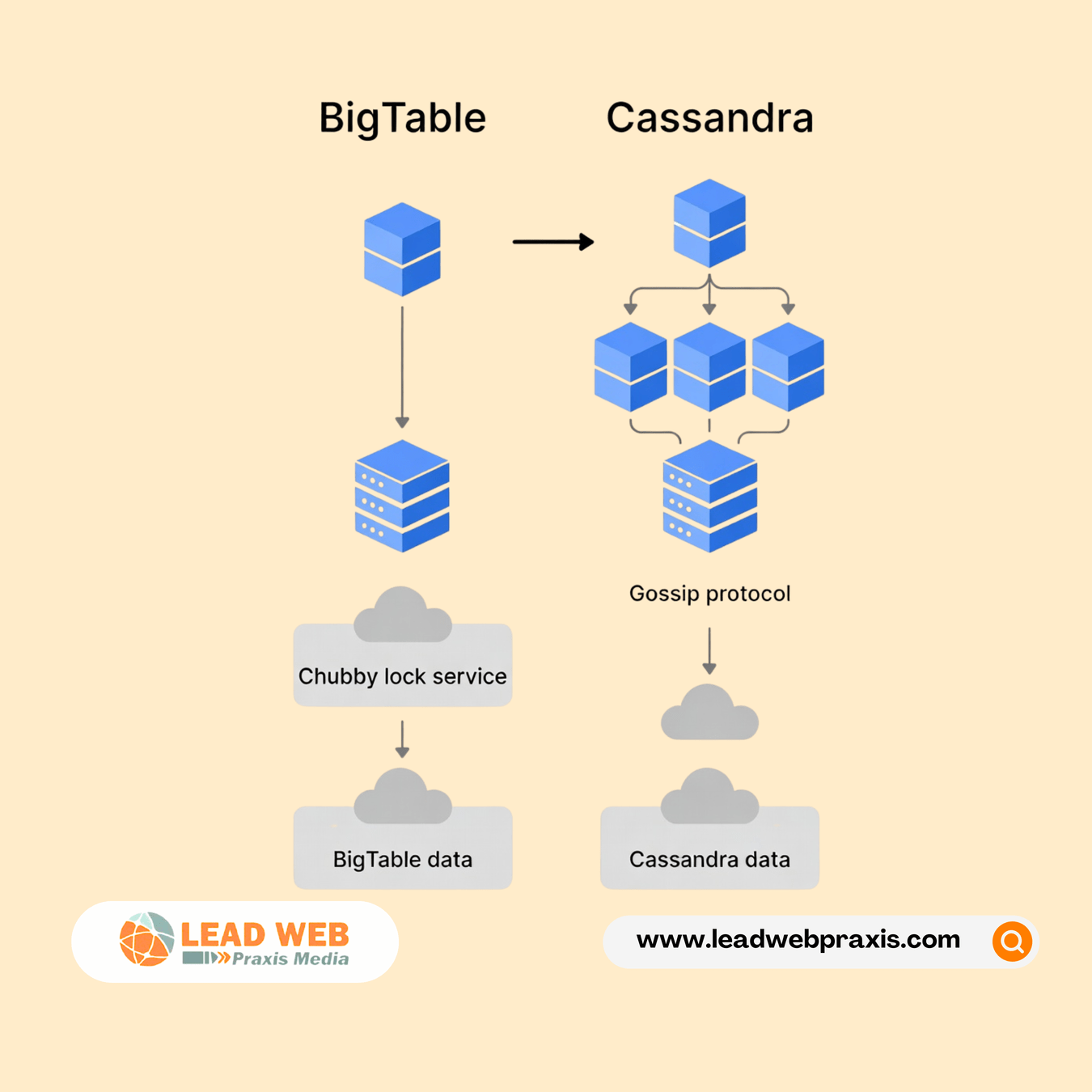
Organizations are creating, processing, and retaining record-breaking amounts of data, so the question of managing your data is more relevant than ever. Whether it is a fintech application, an e-commerce app, or a predictive analytics tool, database technologies play a critical role in determining performance, scalability, and flexibility. Amazon DynamoDB, Redis, and MongoDB are popular databases designed for different specific purposes. It is imperative to comprehend their approach to handling your data.
Modern Data Demands
New-age applications are distributed, real-time, and cloud-native, complicating large-scale data management challenges. Companies today demand a lot from a database, scaling rapidly, allowing greater availability, achieving lower latencies, and integrating well with analytics and AI systems. The traditional relational model, under such pressures, has led organizations to move towards NoSQL and in-memory databases. DynamoDB, Redis, and MongoDB function in distinct manners; hence, it is imperative to sync them with your needs for efficiently managing your data.
DynamoDB Scalability and Fully Managed Capabilities
Amazon DynamoDB is a serverless key-value and document database with a massive scale capacity and performs well with your data in a high-throughput and low-latency environment. Amazon DynamoDB is a fully managed database with scalability and backup taken care of. This is very useful for applications with varying workloads, for instance, mobile apps, gaming applications, and IoT applications. However, Amazon DynamoDB simplifies operational tasks, but careful consideration of data modeling is essential for effective scaling of access patterns.
Redis Performance-Oriented Data Processing
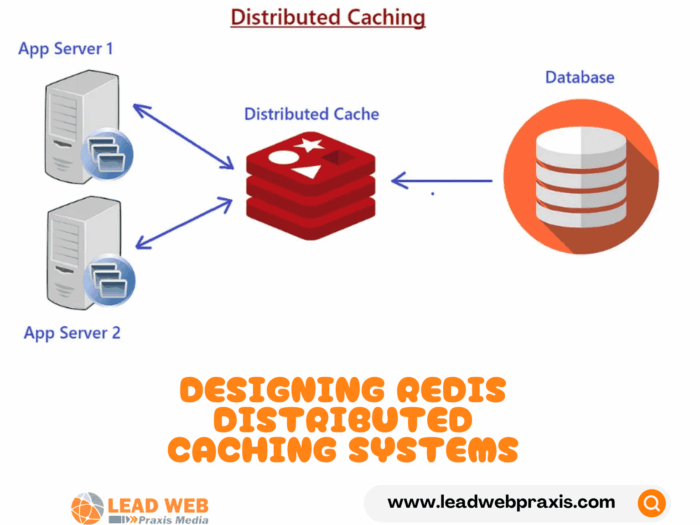
Redis operates with a completely different paradigm regarding the management of your data. It aims to provide ultra-fast read and write access. It can be understood that Redis is not a traditional database or data structure repository. Commonly used for caching, session caches, real-time analytics, or message queues. It is truly effective because it operates within microsecond latency levels. However, Redis, when managing your data, usually works in conjunction with other databases because it can become expensive regarding the in-memory data warehouse aspect.
MongoDB: Flexible Document-Oriented Storage
MongoDB is a malleable, schema-friendly document-oriented NoSQL database popular for flexibility. Rather than using tables for data storage like in relational databases, NoSQL databases like MongoDB use JSON document structures. This enables agile teams to change and move quickly without the pain of complex mapping processes. Scalable and efficient query handling capabilities make this database beneficial for handling your data. However, handling your data requires proper indexing and optimization.
Comparing Use Cases vs. Trade-Offs
DynamoDB excels in highly scaled, fully managed environments with low operational complexity. Redis is ideal for real-time response requirements, while MongoDB offers a balanced solution with flexibility and strong query capabilities, making it essential to choose based on specific data management needs. Organizations in some environments use a combination of the above three databases.
AI & Analytics | The Future of Data Management
AI and machine learning technologies are now prevalent in organizations, necessitating robust database infrastructures for real-time data ingestion. This ensures seamless integration with AI services like AWS, while Redis supports efficient real-time data storage, and MongoDB gains popularity for executing AI-related applications effectively. But the ultimate question: Is your database infrastructure getting your organization AI-ready?
Security, Compliance, and Service Reliability Factors
In addition to performance considerations, properly maintaining your data also demands strong security and compliance tools. Amazon DynamoDB provides strong security and compliance tools like encryption, access controls, and global replication out of the box. Redis offers robust security features needing careful configuration in highly distributed environments. MongoDB also provides support for encryption, role-based access, and strong compliance certifications for its managed services.
Conclusion
Making the Right Data Choice DynamoDB, Redis, and MongoDB are all capable of handling your data effectively but only when paired appropriately for your business objectives and application architecture. All three solutions have something different to offer, and the modern application is likelydeploying a blend for your data needs for speed, scale, and flexibility.
For the purpose of developing your database strategy for the present and the future application innovation cycle, your clients are encouraged to contact Lead Web Praxis.